Less than 1% of heirloom crystal cocktail glasses survive beyond a century-not from breakage, but from improper care. Passed down through generations, these delicate pieces carry more than just elegance; they hold memories of toasts, celebrations, and quiet moments of reflection. Yet, one wrong wash can dull their brilliance forever. The very habits we trust to clean them-hand washing with warm water and dish soap-may be accelerating their decline. This is not just about hygiene; it’s about preserving legacy.
The hidden risks of traditional hand washing for crystal
Many assume that hand washing is the safest method for fine crystal, but the reality is more nuanced. Even with the best intentions, common practices introduce invisible threats that degrade the material over time. Temperature shocks, abrasive tools, and chemical exposure silently compromise both appearance and structural integrity-often without immediate signs.
Temperature shocks and microscopic abrasions
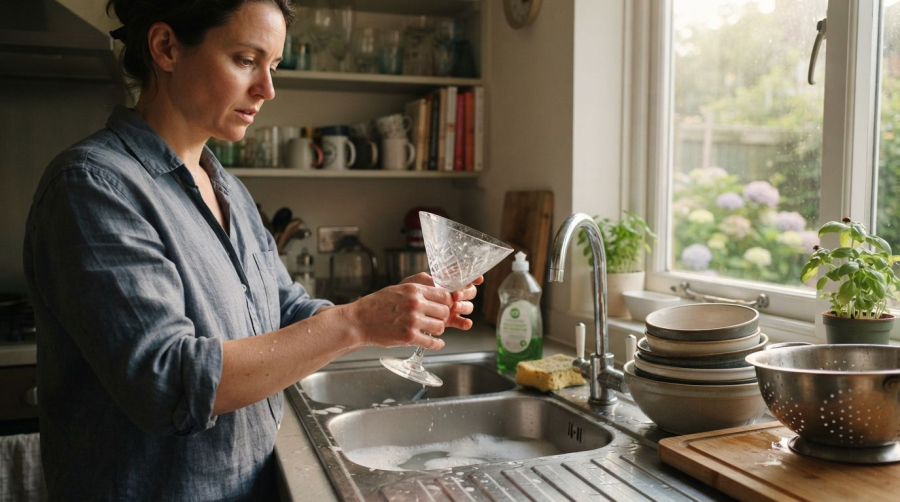
Crystal, especially lead crystal, expands and contracts with temperature changes. Dipping a cool glass into hot water-or vice versa-creates microscopic stress fractures that accumulate over time. These are invisible at first but eventually lead to cloudiness and weakened stems. Similarly, using a rough sponge or cloth introduces fine scratches that scatter light, robbing the glass of its signature sparkle. The longevity of your heirloom pieces often depends on specific crystal martini glasses care, a practice that preserves both the clarity and the resonance of the material.
The chemical impact of harsh detergents
Standard dish soaps often contain salts, alkaline agents, or citrus-based degreasers that react with the lead oxide in fine crystal. Over time, this interaction can create a persistent cloudy film-different from limescale, and far harder to reverse. To avoid this, use only a pH-neutral, non-abrasive liquid detergent designed for delicate glassware. Rinse immediately after washing to prevent residue buildup, especially when serving acidic cocktails like margaritas or martinis.
- Using water that is too hot (above 40°C / 104°F)
- Twisting the bowl while holding the stem
- Wearing rings or jewelry during cleaning
- Letting glasses air-dry without polishing
- Stacking glasses or placing them rim-down in dish racks
Essential maintenance: A comparison of cleaning agents
Not all cleaning solutions are created equal when it comes to preserving the brilliance of crystal. The choice between household staples and specialized products should depend on the condition of the glass and frequency of use. Some methods restore shine; others risk irreversible damage.
Choosing between vinegar and specialized solutions
A weak white vinegar soak (one part vinegar to three parts warm water) can effectively remove limescale and mineral deposits. However, it should never be used routinely or on glasses with existing cloudiness-acetic acid may worsen etching in compromised crystal. For regular maintenance, opt for a professional crystal cleaning solution that gently lifts residue without attacking the surface.
The role of water hardness in glass clarity
Hard water leaves behind calcium and magnesium deposits that cling to the glass, creating a dull, spotty appearance. Even after drying, these minerals remain embedded in micro-scratches. For a truly streak-free finish, use distilled or filtered water for the final rinse. This small step makes a visible difference, especially under candlelight or ambient bar lighting.
Mechanical vs. manual drying techniques
Air-drying might seem convenient, but it invites water spots and dust accumulation. Immediate hand-drying with a lint-free microfiber or linen cloth ensures a flawless surface. The key is gentle, circular motions-never twisting or pressing. This isn’t just about shine; it’s about maintaining the tactile elegance that defines hand-blown crystal.
| Method | Effectiveness on Shine | Risk of Corrosion | Ease of Use | Recommended Frequency |
|---|---|---|---|---|
| Standard Dish Soap | Moderate (temporary clarity) | High (alkaline residue) | Easy | Occasional, with caution |
| White Vinegar Soak | High (for limescale removal) | Moderate (acid risk) | Moderate | Every few months, max |
| Professional Crystal Wash | Very High (preserves brilliance) | Low (pH-balanced) | Easy | After every use |
Mastering the art of the perfect rinse
The rinse is where clarity is won or lost. A proper rinse removes every trace of detergent without introducing new flaws. Use lukewarm water-never hot or cold-to avoid thermal shock. The goal is the “sheeting effect”: water should glide off the surface in a continuous film, not bead up. Beading indicates residual oil or soap, which attracts dust and fingerprints.
Eliminating soap residue effectively
Run each glass under a gentle stream, rotating slowly to ensure full coverage. Pay attention to the stem and base, where soap can pool unnoticed. A truly clean glass feels smooth, almost silky, to the touch. There should be no drag or stickiness. If the surface feels rough or leaves a film, repeat the rinse with filtered water. This step is especially critical for cocktail glasses, which are often held under bright lighting where imperfections become glaring.
Preserving structural integrity during storage
How you store your crystal is just as important as how you clean it. Improper storage can lead to chipped rims, cracked stems, or permanent clouding from dust and moisture. These aren’t just aesthetic issues-they compromise the balance and feel of the glass in hand.
The danger of rim-down storage
Placing glasses upside down on a hard surface puts pressure on the thinnest, most fragile part of the rim. Over time, this can cause micro-fractures or warping. Always store crystal upright, preferably in a dedicated cabinet with soft lining. If stacking is unavoidable, use felt or fabric protectors between each piece.
Handling stemware with precision
Mouth-blown crystal has subtle variations in thickness and balance. When handling, grip the stem or base-never twist the bowl while holding the base. This torque can weaken the joint, especially in older pieces. Think of each glass as a living artifact: its form shaped by breath and flame, now requiring mindful stewardship.
Preparing your barware for the next service
Before presenting your glasses, a quick polish revitalizes their presence. A soft cloth removes dust and fingerprints, but for a deeper refresh, consider a brief exposure to steam-just enough to loosen particles without thermal stress. This isn’t about perfection; it’s about honoring the craft. The fin mot de l’histoire? Every touch should enhance, never erode, the glass’s inherent beauty.
Frequent Questions
I inherited glasses that have a permanent white fog; can they be saved?
Permanent cloudiness often indicates "glass disease"-a chemical breakdown from repeated exposure to harsh detergents or temperature swings. If it’s surface limescale, a vinegar soak may help. But true etching is irreversible. The best course is prevention: use gentle cleaners and filtered water from now on.
How do professional glass blowers clean their own personal collections?
Many rely on simplicity: lukewarm water, a drop of mild soap, and immediate hand-drying with linen. Some avoid soap altogether, using only steam or distilled water rinses. The guiding principle? Minimize contact, maximize care. It’s less about routine, more about respect for the material.
Are ultrasonic cleaners safe for modern high-end cocktail glasses?
Generally not recommended. While effective for metal or thick glass, ultrasonic vibrations can weaken delicate stems or exacerbate micro-cracks in hand-blown crystal. The risk outweighs the benefit. Stick to manual methods that allow you to feel and respond to the glass’s condition.
How long should I wait to wash glasses after a dinner party?
Wash them as soon as possible. Acidic residues from cocktails or wine can begin etching the surface within hours, especially in lead crystal. If immediate washing isn’t feasible, rinse thoroughly with water and store upside down to dry. Delayed cleaning risks permanent staining.
